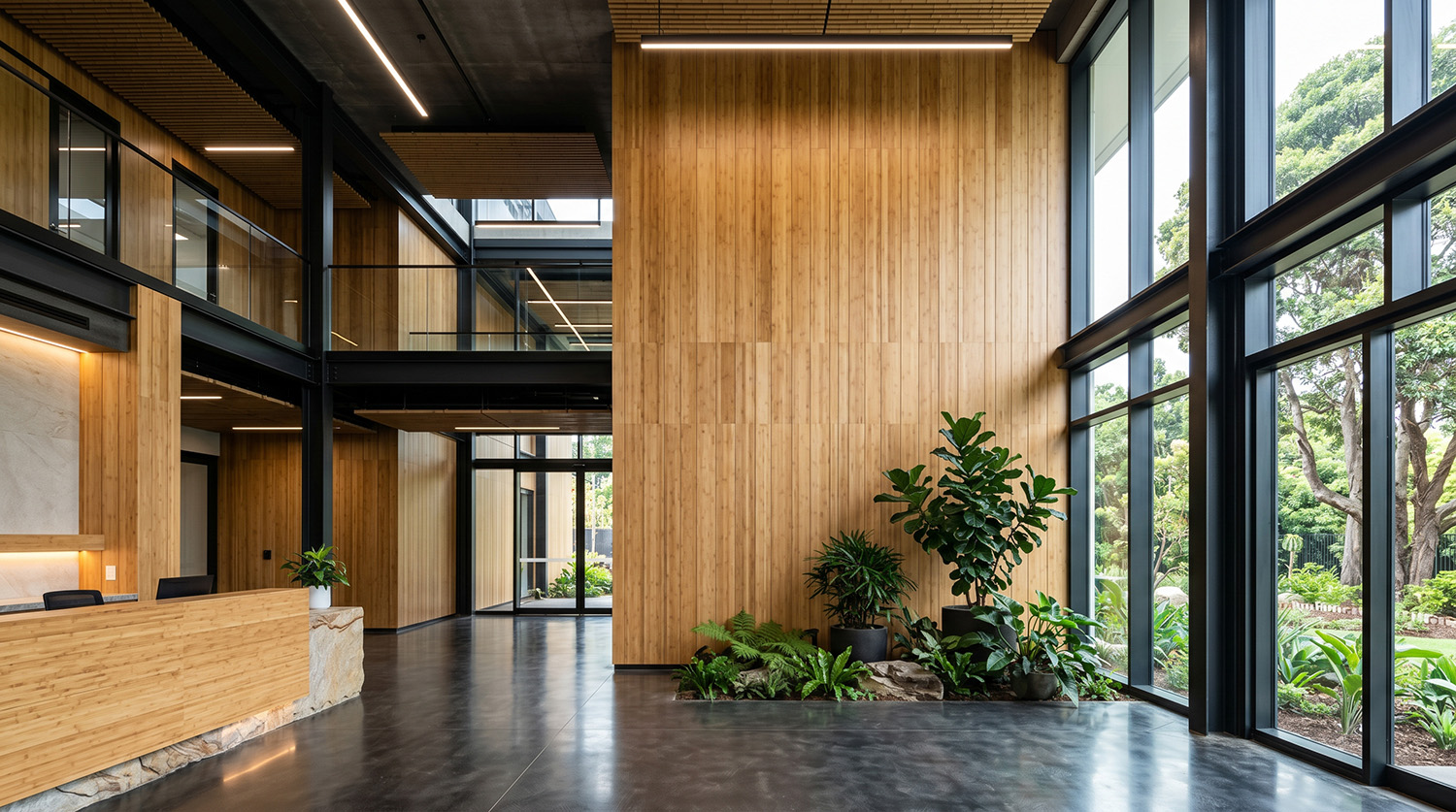
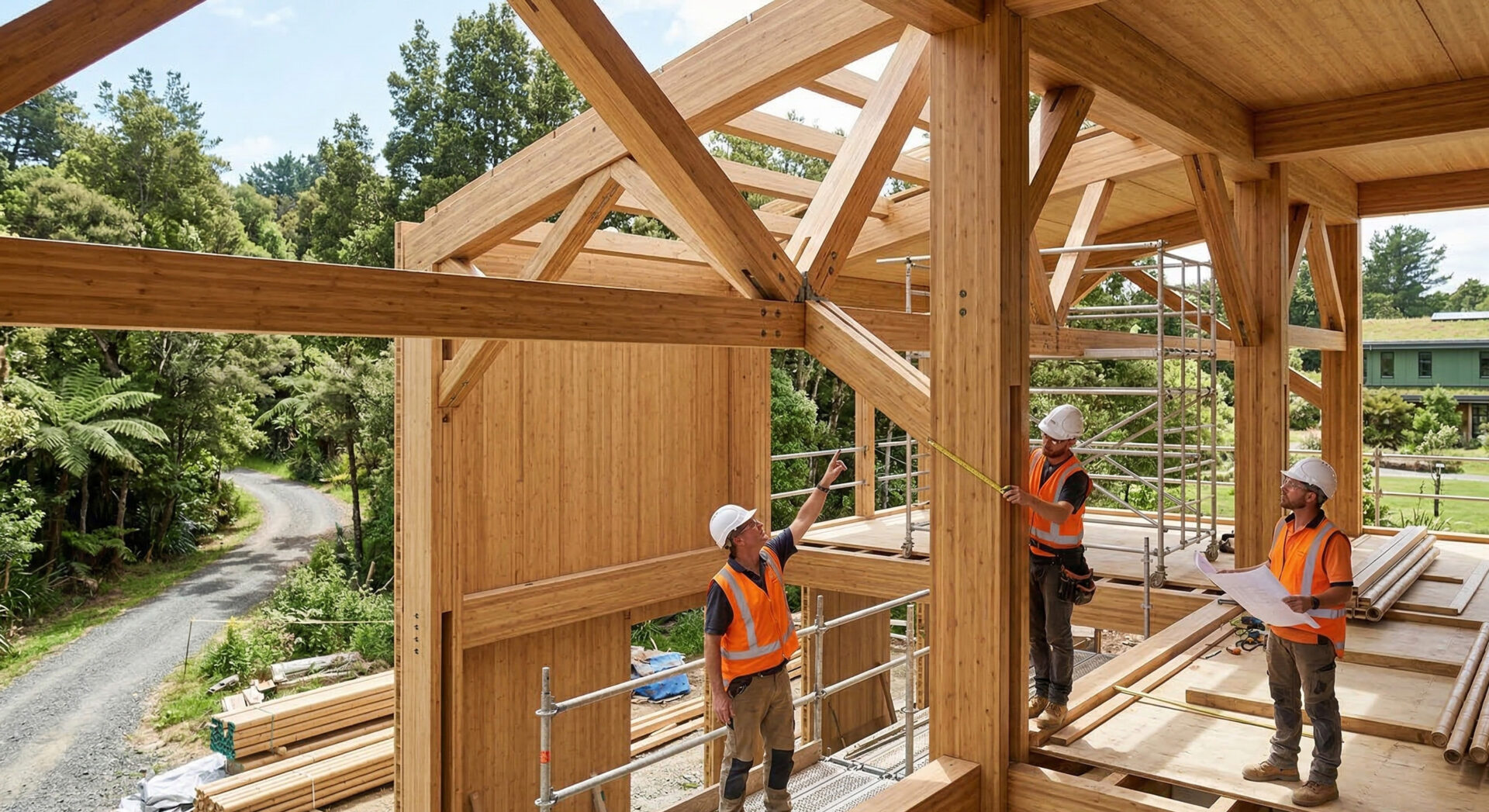
Bamboo panels are rapidly gaining popularity in furniture design and interior applications. They combine a natural appearance with high strength, making them ideal for furniture, walls, and worktops. Solid bamboo boards offer a durable, eco-friendly choice without compromising on style or quality.
These boards typically consist of multiple layers of compressed bamboo strips, providing stability and a uniform structure. They are available in a range of colours and finishes, from light natural tones to warm caramel shades. Their versatility makes them suitable for both modern and traditional interiors.
Bamboo grows quickly and requires fewer raw materials than many other timber species making it a responsible and practical option for anyone looking for sustainable sheet material. A well-chosen bamboo panel elevates any interior project with an eye for nature and quality.
Key insights
- Bamboo panels combine durability with a stylish appearance
- Solid bamboo boards are strong, stable, and available in various finishes
- They offer an eco-friendly alternative to traditional timber species
Bamboo panels for furniture: characteristics and benefits
Bamboo panels combine high strength, a natural appearance, and eco-friendly properties. They offer a sustainable alternative to traditional hardwood and suit modern interiors where functionality and design are central.
Properties of bamboo panels
Bamboo panels consist of compressed layers of bamboo strips or fibres. The material is known for its high hardness (comparable to oak) and excellent dimensional stability. A careful pressing and bonding process produces boards that are both solid and stable.
Standard thicknesses typically range from 5 mm to 40 mm depending on the intended use. Thinner boards are suitable for decorative applications, while thicker panels are used for furniture and worktops.
Bamboo sheet material is naturally moisture-resistant, minimising the risk of warping or cracking. It can be supplied in various finishes, including natural, caramel, and dark-pressed bamboo making it suitable for a wide range of interior styles.
| Property | Characteristic |
|---|---|
| Hardness | Comparable to hardwood |
| Thickness | 5–40 mm |
| Structure | Compressed layers of bamboo strips |
| Colour variants | Natural, caramel, dark pressed |
| Moisture resistance High |
Advantages over traditional hardwood
Bamboo furniture boards offer several advantages in terms of sustainability and practicality. Bamboo grows much faster than hardwood trees, often reaching harvest-readiness within five years making it a renewable raw material with a lower ecological footprint.
Compared to tropical hardwood, bamboo is lighter in weight yet equally strong and wear-resistant. Its dense pressed structure provides a smooth surface that is easy to sand, saw, and lacquer.
Thanks to its origin and production process, bamboo has a smaller impact on deforestation and biodiversity. It is also highly recyclable, reducing waste. These properties align with modern requirements for sustainable interior materials.
Applications in modern interiors
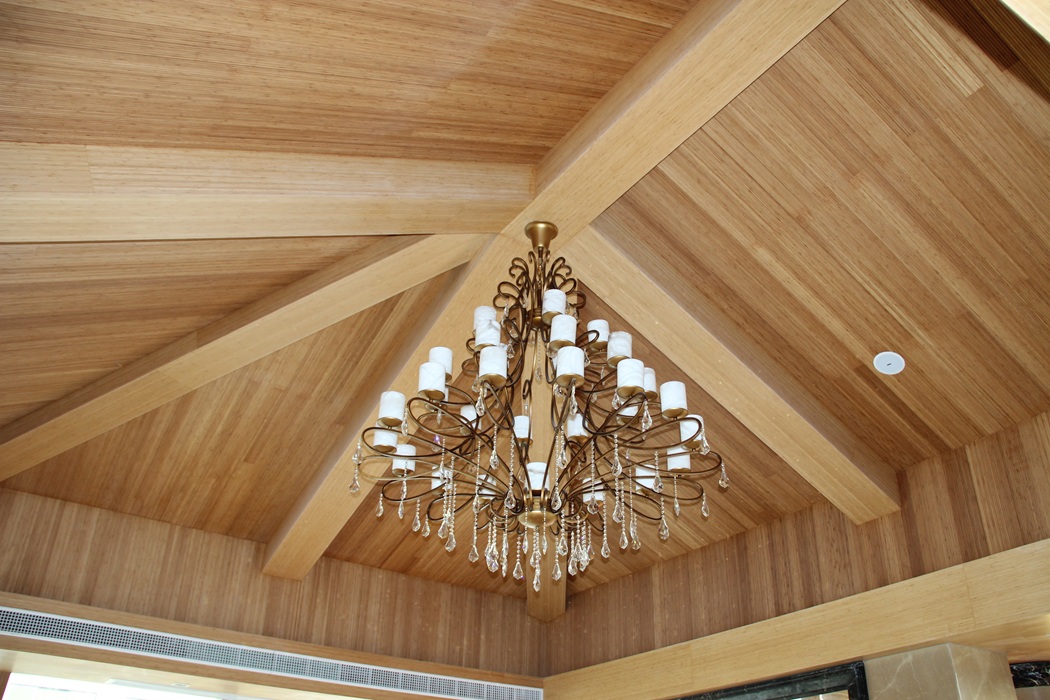
In interior design, designers use bamboo panels for cabinets, worktops, wall cladding, and tabletops. The natural grain and warm tone give furniture a calm and timeless appearance.
Bamboo sheet material combines well with other materials such as steel or glass, creating contemporary contrasts that suit minimalist or Scandinavian styles.
Bamboo also performs well in humid spaces such as kitchens and bathrooms, thanks to the moisture resistance of pressed material. In addition, its sound-absorbing structure helps improve acoustic comfort in open-plan living spaces.
The versatility of bamboo makes it a practical and sustainable choice for any interior project focused on quality, aesthetics, and environmentally conscious design.
Buying solid bamboo boards: types, sizes, and finishes
Bamboo boards come in a range of thicknesses, typically from 5 mm to 40 mm depending on the application. Thin boards are often used as veneer or wall cladding, while thicker variants are suitable for tabletops or cabinets.
There are three main structures: vertically laminated, horizontally laminated, and strand woven (compressed).
- Vertically laminated has a fine, clean grain
- Horizontally laminated shows wider bamboo strips and a more rustic look
- Strand woven is extremely hard and dense, often used for surfaces that need to withstand heavy wear
| Structuurtype | Characteristic | Application |
|---|---|---|
| Vertical | Narrow strips, modern appearance | Cabinets, panels |
| Horizontaal | Wide strips, natural pattern | Tabletops, furniture |
| Strandwoven | High density, strongest variant | Worktops, flooring |
Finish options and colours
Solid bamboo boards are available in various colours and finishes. The most common are natural with a light, warm tone and caramel, which is created by heating the bamboo. Some brands also offer dark tones or special treatments that provide additional colour stability.
Finishes range from matte and satin to sanded or coated. A matte surface retains the natural appearance, while a lacquered variant offers better resistance to moisture and staining.
It is important that the finish protects the bamboo without negating its ecological advantage. Eco-friendly oils or water-based lacquers are a sustainable choice for interior applications.

Custom sizing and delivery
Many suppliers offer custom cutting, allowing customers to order boards in specific dimensions and shapes. This saves time during installation and minimises offcuts. Standard sizes are widely available, but made-to-measure options are common for larger projects.
For large projects, it can be useful to have boards pre-milled or sanded. Suppliers typically specify tolerances in thickness and flatness, which is important for a consistent end result.
Fast delivery is usually possible, particularly from suppliers with good stock levels in popular thicknesses and colours. For large or international orders, it is advisable to check lead times in advance.
What to look for when buying
When purchasing solid bamboo boards, pay attention to quality, sustainability, and certification. Opt for boards with an FSC or TÜV certification, which guarantees that the bamboo comes from responsibly managed sources.
Check the moisture content and pressing quality of the board to prevent warping. For furniture construction, a stable, well-pressed board is essential.
The type of adhesive also matters. Boards produced with formaldehyde-free glue are suitable for interior applications with high health and environmental standards.
Finally, it helps to compare samples before placing a full order, allowing you to assess colour variation, structure, and finish accurately.
Sustainable bamboo panels for interior applications
Bamboo panels offer a strong, natural, and renewable solution for furniture and interior finishing. They combine an eco-friendly origin with high wear resistance and a style that suits both modern and traditional spaces.
Eco-friendliness and certifications
Bamboo grows much faster than traditional timber species, reaching maturity within five years. This makes it particularly suitable for sustainable construction and interior design. While trees take decades to recover, bamboo can be harvested repeatedly without permanent damage to the plant.
Many producers hold FSC certification or other sustainability labels to guarantee the controlled origin of the bamboo. These certifications demonstrate that the raw material comes from responsibly managed forests and plantations.
Bamboo can also be processed into a wide range of products, including bamboo veneer, bamboo wall panels, and solid bamboo boards. Through its natural carbon storage during growth, the use of bamboo reduces the overall CO₂ footprint of an interior project.
Long lifespan and stability
Solid bamboo panels are known for their high density and hardness, with quality comparable to and sometimes exceeding many hardwood species. As a result, the material remains stable and dimensionally true under varying temperatures and humidity levels.
In furniture construction and interior applications such as worktops, cabinet doors, and bamboo beams, this stability reduces the risk of deformation or cracking. The cross-pressed layering of bamboo also increases structural strength.
| Property | Average value | Comparison with hardwood |
|---|---|---|
| Hardness (Brinell) | approx. 4.7 | Equal to oak |
| Density | 700–750 kg/m³ | Slightly higher than birch |
| Dimensional stability | Very good | Better than many softwood species |
Healthy indoor climate and maintenance
Because bamboo naturally regulates moisture, it helps maintain a comfortable indoor climate. Unlike synthetic materials, it contains no volatile organic compounds that could affect air quality.
Finished bamboo wall panels or furniture can be treated with natural oil or lacquer for added protection. Regular dusting and avoiding harsh cleaning products will extend the lifespan of the surface.
The material attracts little dust and is therefore hygienic for living and working spaces. These properties mean bamboo not only contributes to a sustainable interior, but also to a healthier indoor environment.
Comparison with alternative materials and common choices
Bamboo boards are popular in interior design and furniture production for their strength, durability, and modern appearance. They are often compared with wood products such as plywood and hardwood, as well as variants like bamboo veneer. The choice depends on the intended use, budget, and desired aesthetic.
Bamboo versus wood and plywood
Bamboo differs from hardwood through its rapid regrowth and efficient land use. Where hardwood takes decades to mature, bamboo reaches harvest readiness in four to six years, making it a renewable raw material.
In terms of strength, a solid bamboo board is comparable to oak or beech. The structure of bonded strips makes the boards rigid and dimensionally stable. Wood and plywood offer more variation in grain pattern and finish, while plywood is lightweight, easy to work with, and available in large formats.
In humid spaces, bamboo outperforms standard wood when properly finished. The cross-bonded layers reduce warping. Bamboo sheet material therefore has a stable, hard surface structure well-suited to furniture, wall panels, and worktops.
| Material | Growth / sourcing time | Strength | Application | Ecological advantage |
|---|---|---|---|---|
| Bamboe | 4–6 years | High | Furniture, interiorsRenewable, low CO₂ | Renewable, low CO₂ |
| Plywood | 15–30 years | Medium | Furniture boards, construction | Limited circularity |
| Hardwood | 40–80 years | High | Luxury interiors | Natural appearance, but slow growth |
Choosing between bamboo veneer and solid bamboo
With bamboo veneer, a thin layer of bamboo is bonded to a substrate such as MDF or plywood. This reduces cost and weight and makes it suitable for large panels or cabinet fronts. Veneer is also flexible and gives the same visual appearance as solid material.
Solid bamboo consists entirely of compressed bamboo strips. It is heavier, stronger, and more resistant to impact primarily used for tabletops and kitchen worktops. It can be sanded and refinished multiple times, extending its lifespan.
Veneer is better suited to lighter furniture constructions, while solid boards are more durable in demanding use. The choice depends on load requirements, desired appearance, and budget. Both options offer a natural, warm tone that suits contemporary interiors.
Price, sustainability, and design possibilities
The price of bamboo sheet material typically falls between plywood and hardwood. Costs depend on thickness, pressing method, and finish. Veneer is the most affordable option, while solid bamboo is generally more expensive due to the pressing and bonding processes.
In terms of sustainability, bamboo scores highly. It grows quickly without artificial fertilisers and stores more CO₂ than most timber species. Production does consume energy, but modern processes increasingly use eco-friendly adhesives and coatings.
Frequently asked questions
Bamboo panels offer a strong and durable solution for furniture and interiors. They combine sturdiness with a natural appearance and require little maintenance if properly cared for. Additionally, they play a positive role in environmentally conscious building and design choices.
What are the advantages of solid bamboo boards for furniture?
Solid bamboo boards are strong, stable, and wear-resistant, with a high density that makes them well-suited to daily use. They give furniture a natural and modern appearance and, thanks to their renewable origin, form a sustainable alternative to traditional timber species.
How do I maintain bamboo panels to extend their lifespan?
Regular dusting with a dry or slightly damp cloth prevents dirt build-up. For stubborn stains, a mild cleaning product without harsh chemicals is effective. A protective oil or lacquer coat can reduce wear and improve moisture resistance. Avoid prolonged exposure to direct sunlight to limit discolouration.
What is the difference between laminate and solid bamboo panels in interior applications?
Laminate typically consists of compressed layers with a plastic top layer. Solid bamboo, by contrast, is made from compressed bamboo fibres or strips and contains no imitation finish. Bamboo has a more natural feel and can be sanded or treated multiple times, giving it a longer lifespan than laminate under intensive use.
Are bamboo panels suitable for use in humid spaces such as bathrooms?
Bamboo panels can be used in humid spaces when properly treated. A water-repellent finish prevents the material from absorbing moisture and swelling. It is important to seal the edges thoroughly and avoid direct water damage. For long-term use, it is advisable to clad ventilated or less exposed areas of the space.
How does the use of bamboo panels contribute to sustainability and the environment?
Bamboo grows quickly, reaching the right harvest height within a few years. During growth, it absorbs significant amounts of carbon and produces more oxygen than most tree species. Using bamboo reduces demand for slow-growing timber species, helping designers and builders make environmentally conscious choices without compromising on quality.