Bamboo has long been revered for its versatility, strength, and sustainability. Among the various species of bamboo, Moso bamboo (Phyllostachys edulis) stands out as one of the most remarkable and widely cultivated. With its rapid growth, immense height, and exceptional strength, Moso bamboo has become a valuable resource for countless applications. In this blog, we delve into the art of harvesting Moso bamboo, exploring the sustainable practices and economic benefits associated with this fascinating process.
1. Understanding Moso Bamboo:
Moso bamboo, native to China, is the largest bamboo species in the world. It typically grows in dense groves, reaching heights of up to 25 meters (82 feet) and diameters of 15-20 centimeters (6-8 inches). The plant’s resilience, versatility, and remarkable growth rate have made it a sought-after resource for both traditional and modern uses.
2. Sustainable Bamboo Harvesting Practices:
a. Age of Harvest: Moso bamboo requires several years of growth before it can be harvested sustainably. Typically, the ideal age for harvesting is around 5 to 6 years, when the bamboo culms have reached their maximum diameter and strength.
b. Selective Harvesting: During the harvesting process, only mature culms are harvested, while young and developing shoots are left intact to ensure the continuity of the bamboo grove.
c. Rhizome Maintenance: The rhizome, an underground stem system, plays a vital role in bamboo’s regenerative abilities. Proper maintenance and management of the rhizome network are essential to ensure the sustainable growth of Moso bamboo.
3. Harvesting Techniques:
a. Cutting and Transportation: Harvesting Moso bamboo culms involves cutting them close to the ground using specialized tools like machetes or saws. Once cut, the culms are carefully transported out of the grove to prevent damage.
b. Curing and Preservation: Freshly harvested bamboo culms are subject to a curing process, which involves drying them to reduce moisture content. This step enhances the durability and longevity of the bamboo.
4. Economic Benefits of Moso Bamboo Harvesting:
a. Renewable Resource: Moso bamboo is a rapidly renewable resource, with culms regenerating within a few years. This makes it a sustainable alternative to traditional timber, reducing the pressure on natural forests.
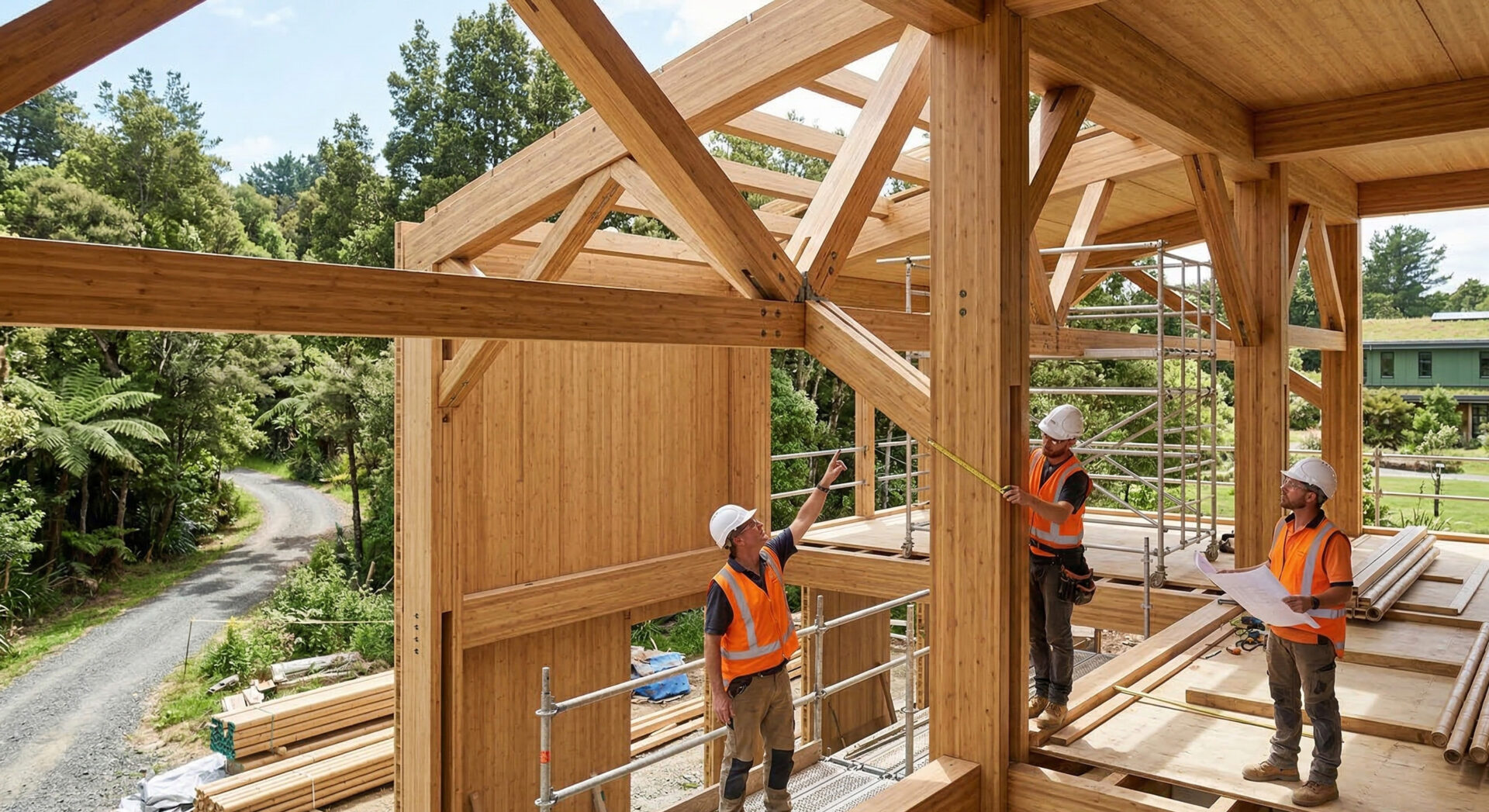
b. Versatile Applications: Harvested Moso bamboo culms find applications in various industries, including construction, furniture, paper, textiles, and even culinary uses. Its high strength-to-weight ratio and aesthetic appeal make it an attractive material choice.
c. Local Economy and Employment: The cultivation and harvesting of Moso bamboo contribute significantly to the local economy, providing employment opportunities in rural areas where bamboo forests thrive.
Conclusion:
The art of harvesting Moso bamboo encompasses sustainable practices, economic benefits, and the preservation of a remarkable natural resource. By understanding the growth cycle, employing selective harvesting techniques, and supporting local economies, we can harness the full potential of Moso bamboo while ensuring its long-term viability. As we embrace sustainable alternatives, Moso bamboo stands tall as a shining example of a renewable resource that holds the key to a greener future.